

Deen Skills
Deen Skills is a foundational course in Mālikī Fiqh designed to give students a clear and practical understanding of our Farḍ al-ʿAyn — the individual obligations every Muslim is responsible for knowing and practicing.
Before we can build something strong, we have to make sure the foundation is solid. This course is an opportunity to strengthen that foundation, giving students the essential knowledge they need to practice their Deen with confidence, clarity, and consistency.
This course offers two distinct learning pathways designed to accommodate different levels of commitment and educational goals. The Student Track provides a strong foundation through structured readings, assessments, and guided learning, while the Teacher Track offers a more intensive, comprehensive experience focused on mastery, memorization, practical teaching skills, and academic proficiency. Whether students seek to deepen their personal understanding or prepare to teach others, each track is designed to foster meaningful learning, measurable progress, and a stronger command of the subject.
Classes at Majlisal-Ihsan
Mālikī fiqh through Mukhtaṣar al-Akhdarī
Two paths, one text
Both tracks study Mukhtaṣar al-Akhdarī and the foundational rulings of purification and prayer. Choose the one that fits your goals and your schedule.
Choose your track
Compare the two tracks side by side.
Teacher Formation Track: your journey
Four phases over eight months.
Student Track: your 12 weeks
Live once a week, recorded, and shared after each class so you can learn at your own pace.
Completion and permission to teach
The two tracks end differently.
Ready to begin?
Download a syllabus to read the full plan.
Teacher syllabus (PDF) Student syllabus (PDF)Our Classes
Explore our range of courses designed to help you move forward with confidence, wherever you're headed next.
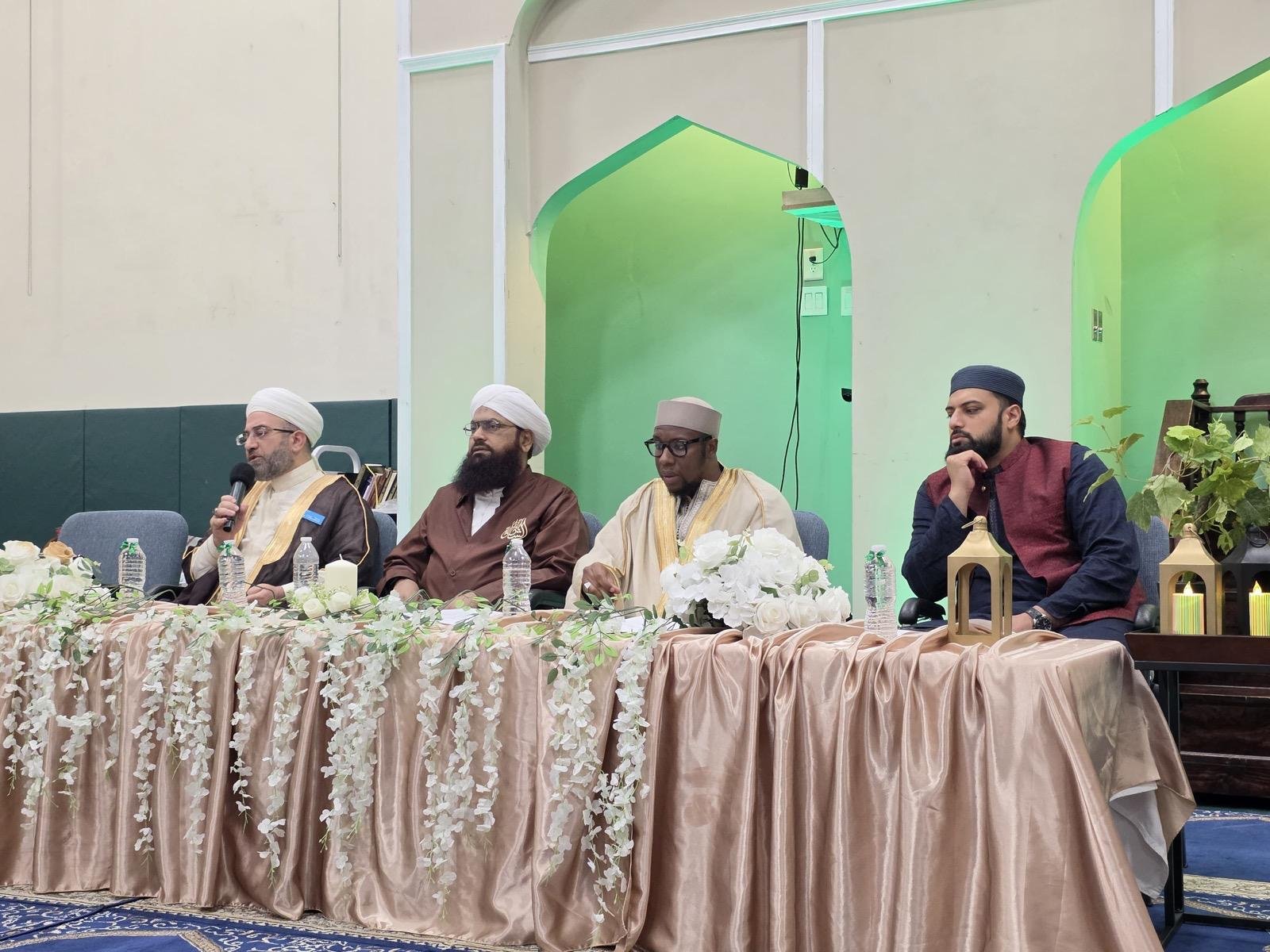
The Ijaza track is an intensive 8-month program designed for students who wish to deepen their own understanding of foundational Mālikī Fiqh while developing the aptitude and skills needed to teach others.
Meeting 2–3 times per week, students engage in focused study, repeated text readings, required memorization, regular assessments, and practical teaching exercises. The aim is not simply to complete a text, but to develop a sound understanding of the material and the ability to convey it with clarity and confidence.
Upon completion of the program, students will take a final oral and written examination. Those who achieve a score of 85% or higher will receive an Ijāzah of Completion and permission to teach. Those who complete the program but do not attain 85% will receive an Ijāzah of Completion, recognizing their study and achievement, but without permission to teach.
This track is intended for those who are serious about strengthening their own foundation in the deen and, for those with the aptitude, preparing to carry that knowledge forward to others.
Program Details:
Program Starts: February 11, 2027
Duration: 8 months
Class Frequency: 2–3 times per week
Text Readings: 3–4
Memorization: Required
Assessments: Regular exams and a final examination
Language Requirement: Arabic proficiency required
Teaching Practice: Included
Examinations: Oral and written
Individual Feedback: Included
Tuition: $1,200
This track is ideal for dedicated learners seeking a rigorous educational experience that prepares them to demonstrate mastery of the material and develop the skills necessary for teaching.
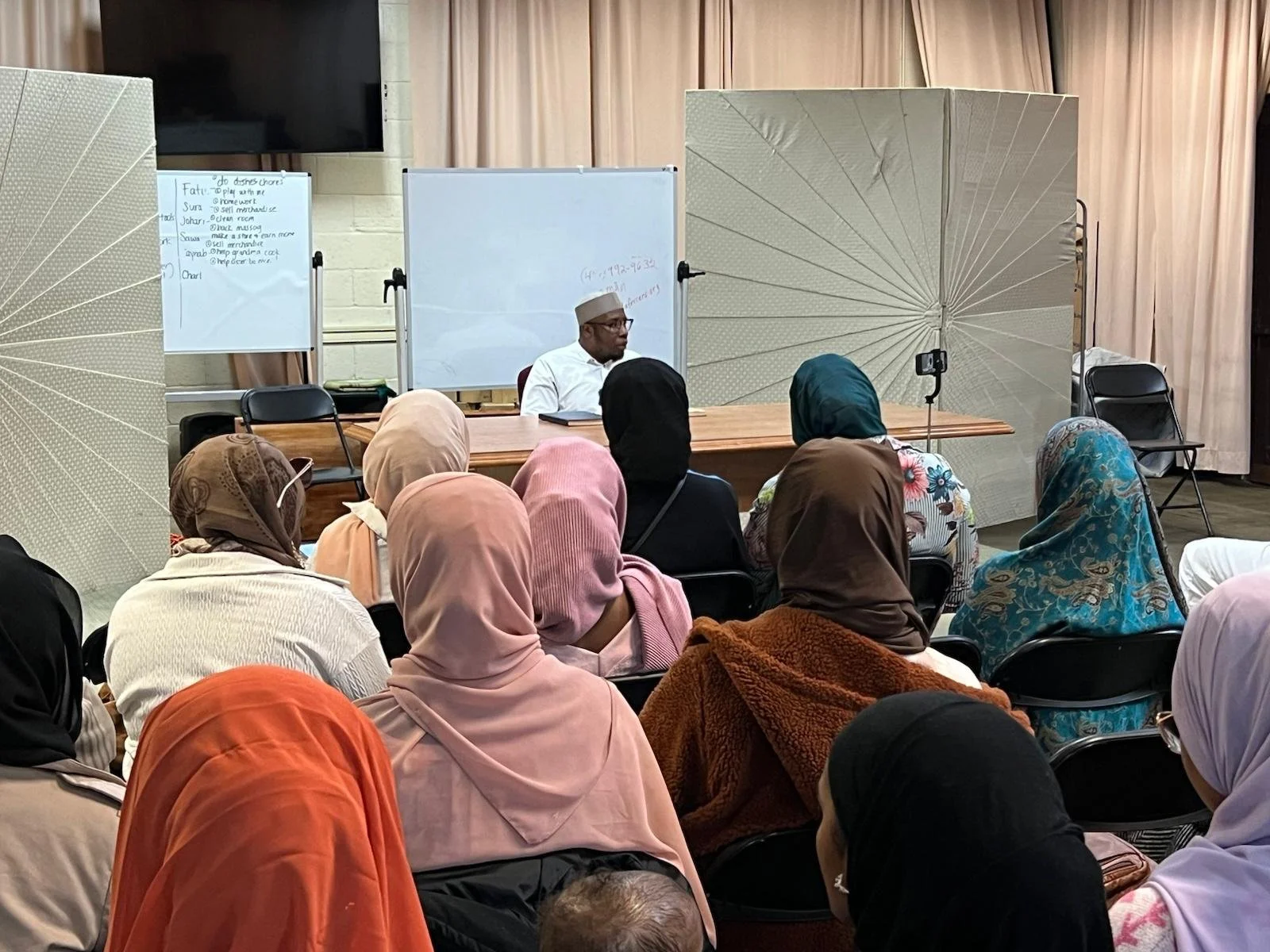
The Student Track is a 3-month program designed for those who want to strengthen their foundational knowledge of Mālikī Fiqh while balancing study with work, family, and other responsibilities. It is intentionally structured to allow students to learn at their own pace without the intensive classroom commitment of the Teacher Formation Track.
We will study Al-Akhdarī, a foundational Mālikī Fiqh text covering essential subjects such as purification, prayer, menstruation, and other individual obligations. The goal is to read through the text at least once, with the aim of completing it twice.
Classes are held live once a week and are recorded and provided to students after each class, allowing you to stay engaged even when you cannot attend live. Students will also complete regular written assessments to reinforce their understanding and track their progress.
Upon completion, students who achieve 70% or higher on the final written examination will receive an Ijāzah of Completion.
Please note: The Ijāzah awarded through the Student Track is strictly an Ijāzah of Completion and does NOT grant permission or authorization to teach. Permission to teach is only granted through the Teacher Formation Track and its separate qualification requirements.
Program Details:
Program Starts: November 21, 2026
Duration: 3 months
Class Frequency: Once per week
Class Time: 1 hour and 20 minutes
Text Readings: 2
Memorization: Encouraged
Assessments: Exams every two weeks
Language Requirement: Arabic helpful but not required
Teaching Practice: Not included
Examinations: Written
Individual Feedback: Limited
Tuition: $450
Whether you are beginning your journey in Islamic studies or looking to strengthen your existing foundation, the Student Track: Talilbul- Ilm provides a structured and supportive environment to cultivate knowledge, deepen understanding, and grow in your practice of Islam.
Meet Your Instructor
Your instructor possesses extensive expertise in Classical Arabic, Islamic Jurisprudence, and the Islamic sciences, with over a decade of intensive study under distinguished Shinqiti and Azhari scholars, including Shaykh Muhammad Mahy Cissé. A graduate of the African American Islamic Institute in Medina Baye, Senegal, he holds bachelor's degrees in Arabic Literature and Islamic Jurisprudence and received teaching authorization in both disciplines in 2018. His teaching approach combines rigorous scholarship with practical application, emphasizing the importance of developing both a deep understanding of Islamic teachings and a sincere love for Allah and His Prophet (SAW).

Frequently Asked Questions
-
The Student track focuses on foundational learning and personal development through weekly classes, text readings, and regular assessments. The Teacher track offers a more intensive curriculum that includes required memorization, advanced study expectations, teaching practice, and oral and written examinations to prepare students to teach each other.
-
The student track lasts approximately 3 months, while the Teacher track spans approximately 8 months.
-
Arabic is helpful but not required for the Student track. However, Arabic proficiency (being able to read) is required for the teacher track.
-
Memorization is encouraged in the Student track but is a requirement in the Teacher track.
-
Yes. Student track participants take exams every two weeks. Teacher track participants complete regular assessments and a final examination. Both tracks include written examinations, while the Teacher track also includes an oral examination.
-
A madhhab is a systematic school of Islamic jurisprudence that organizes how scholars understand and apply the Qur’an and Sunnah to practical matters of the Deen. The four well-known Sunni madhhabs are the Ḥanafī, Mālikī, Shāfiʿī, and Ḥanbalī schools. They developed through the scholarship of the great Imams and the generations of scholars who followed them. We follow a madhhab to have a reliable, consistent methodology for understanding and practicing Islamic law rather than relying solely on our own interpretation.
The Mālikī madhhab is sometimes described as a “madhhab of the common people” because of its strong emphasis on the lived practice of the Muslim community, particularly the established practice of Madinah. Imam Mālik gave significant weight to the ʿamal ahl al-Madīnah (practice of the people of Madinah), seeing it as an important living transmission of the Prophet ﷺ’s Sunnah. This produced a Fiqh that is deeply connected to how Islam is actually practiced in everyday life, rather than being purely theoretical.
That said, “layman’s madhhab” is not a formal designation and should not be understood to mean that Mālikī fiqh is simplistic or intellectually less rigorous. In fact, the madhhab has an extensive and sophisticated scholarly tradition; the point is more that its rulings are particularly grounded in practice, custom, public welfare, and the lived Sunnah.
-
Al-Akhdarī is a foundational Mālikī fiqh text written by Abū Zayd ʿAbd al-Raḥmān al-Akhdarī (d. 983 AH), an Algerian Mālikī scholar. It is an introductory text covering the individual obligations that are essential for every Muslim male and female to know. The text focuses mainly on purification and prayer with an introductory chapter highlighting the characteristics of a Muslim.